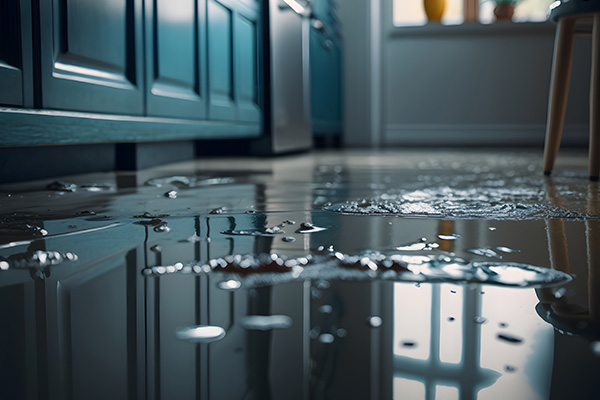
Even if you don’t live in a flood zone, residents can encounter various types of damage from water. In fact puroclean Reno flooding of your home is the number one property loss in terms of total cost in America today. And of course it happens when you least expect it. A leaking pipe, backed up sewer or broken sprinkler and before you know it damage is apparent. This is why water restoration is essential.
No matter what caused the damage, a prompt response is essential. Standing water can affect:
Carpets and Furniture
Warp or Rot Building Materials and Structures
Damage Electrical Systems
Ruin Insulation
Raise Indoor Humidity Levels
Create Conditions Conductive to Mold and Mildew
Mold can start growing as quickly as 24-to 48-hours after damage from water. And, even clean water can become hazardous the longer it sits. Water can come in contact with dirt in the carpet or soil from ground outside and become contaminated with dangerous bacteria that can make your family sick.
Our professionals understand how important it is to remove water quickly and thoroughly. Once we know what needs to be done, we begin our state of the art water restoration process.
Classes of Water
Class 1
The least amount of water, absorption and evaporation. It affects only part of a room or area, or larger areas containing materials that have absorbed minimal moisture. Little or no wet carpet and/or pad is present.
Class 2
This involves a large amount of water, absorption and evaporation. It affects at least an entire room and has absorbed into carpeting and walls.
Class 3
The greatest amount of water, absorption and evaporation. Water may have come from overhead. Ceilings, walls, insulation, carpet, pad and subfloor in virtually the entire area are saturated. Class 3 damaged is considered the worst.
Class 4
Specialty drying situations. Wet materials with very low permanence/porosity (hardwood, concrete and stone). These types of losses may require longer drying times and special methods.
Categories of Water
Category 1
Damage originates from a sanitary source and poses no substantial risk from dermal, ingestion, or inhalation exposure. Category 1 damage can degrade into Category 2 or 3 if it sits too long.
Category 2
Damage contains significant contamination and has potential to cause discomfort or sickness if contacted or consumed by humans. It involves damage from “grey water”, such as washing machine or dishwasher containing detergents. It may also involve water containing urine from toilet overflows.
Category 3
Involves grossly contaminated water. Category 3 water comes from sewage, river flooding and standing water that has begun growing bacteria and other microbes.
 Site Title
Leave a comment